Why Radiology Second Opinions Matter
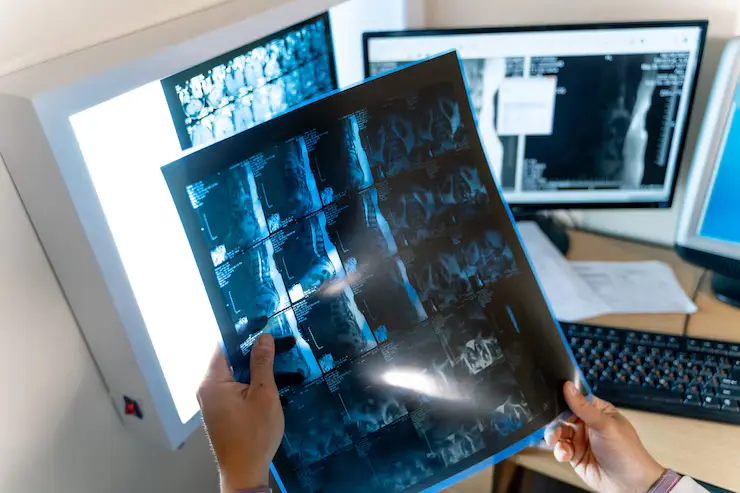
Medical imaging — including MRI, CT, X-ray, ultrasound, and PET scans — plays a critical role in diagnosing and monitoring disease. But interpreting medical images is complex and can involve a degree of clinical judgement. Interpretive discrepancies can occur, particularly in complex or subspecialty cases, which is one reason a second review may be valuable when important decisions depend on the imaging findings.
For patients facing a serious diagnosis such as cancer, a neurological condition, or a musculoskeletal problem, a second opinion from a subspecialist radiologist can:
- Confirm the original diagnosis, providing greater confidence in the findings
- Identify a different interpretation that may affect further investigation or treatment planning
- Detect findings that may have been overlooked, including abnormalities that could require follow-up
- Provide more specific characterisation of complex imaging findings
When Should You Get a Radiology Second Opinion?
Not every scan needs a second read, but certain situations may make an additional specialist review particularly useful:
- Cancer diagnosis: Oncology-related imaging can be complex. A neuroradiologist, breast imaging specialist, thoracic radiologist, or other subspecialist may provide additional expertise relevant to the case.
- Surgical planning: If surgery is being considered based on imaging findings, an additional review may help confirm that the imaging interpretation is clear and appropriate.
- Unexpected or unclear findings: If a report contains uncertain language such as “cannot exclude” or “clinical correlation recommended”, a subspecialist review may provide additional clarity.
- Discrepancy between symptoms and report: If symptoms do not appear to fit the reported imaging findings, another review may be worth discussing with your healthcare professional.
- Complex cases: Multi-system disease, rare conditions, or specialised imaging may benefit from subspecialist expertise.
How Online Radiology Second Opinions Work
With platforms like Hospitual, obtaining a radiology second opinion can often be completed remotely without travelling to another hospital for the image review itself.
- Submit your case online: Upload your DICOM files, provide relevant clinical information, and include any specific questions you would like the specialist to address.
- Choose a subspecialist: Browse radiologists relevant to your case type, review their expertise and fees, and select the specialist you prefer.
- Receive a detailed report: The specialist reviews your imaging and provides a written report with their findings and interpretation.
The review process is asynchronous, so no live appointment or waiting room is required. Your report is delivered electronically through the platform. If you already have an MRI scan, explore our MRI second opinion service to learn about eligible MRI studies, required files, pricing and how to get started.
What to Look for in a Second Opinion Service
When choosing a radiology second opinion provider, consider:
- Subspecialist access: Look for access to radiologists with expertise relevant to your type of imaging, such as neuroradiology, breast imaging, musculoskeletal imaging, or thoracic imaging.
- Doctor credentials: Check that specialists have appropriate professional qualifications, registration, and relevant clinical experience.
- Transparent pricing: Make sure the cost is clearly shown before payment.
- Secure file handling: Medical images contain sensitive information, so the platform should use secure systems for storing and transferring medical data.
- Turnaround time: Check how long the review is expected to take before submitting your case.
The Bottom Line
A radiology second opinion can provide additional clarity when imaging findings are complex, unexpected, or important to major treatment decisions. Online specialist review can also make subspecialist expertise easier to access without requiring travel solely for the image interpretation.
References
- Rosenkrantz AB, Duszak R Jr, Babb JS, Glover M, Kang SK. Discrepancy Rates and Clinical Impact of Imaging Secondary Interpretations: A Systematic Review and Meta-Analysis. J Am Coll Radiol. 2018;15(9):1222–1231.
doi:10.1016/j.jacr.2018.05.037 - Bruno MA, Walker EA, Abujudeh HH. Understanding and Confronting Our Mistakes: The Epidemiology of Error in Radiology and Strategies for Error Reduction. RadioGraphics. 2015;35(6):1668–1676.
doi:10.1148/rg.2015150023